
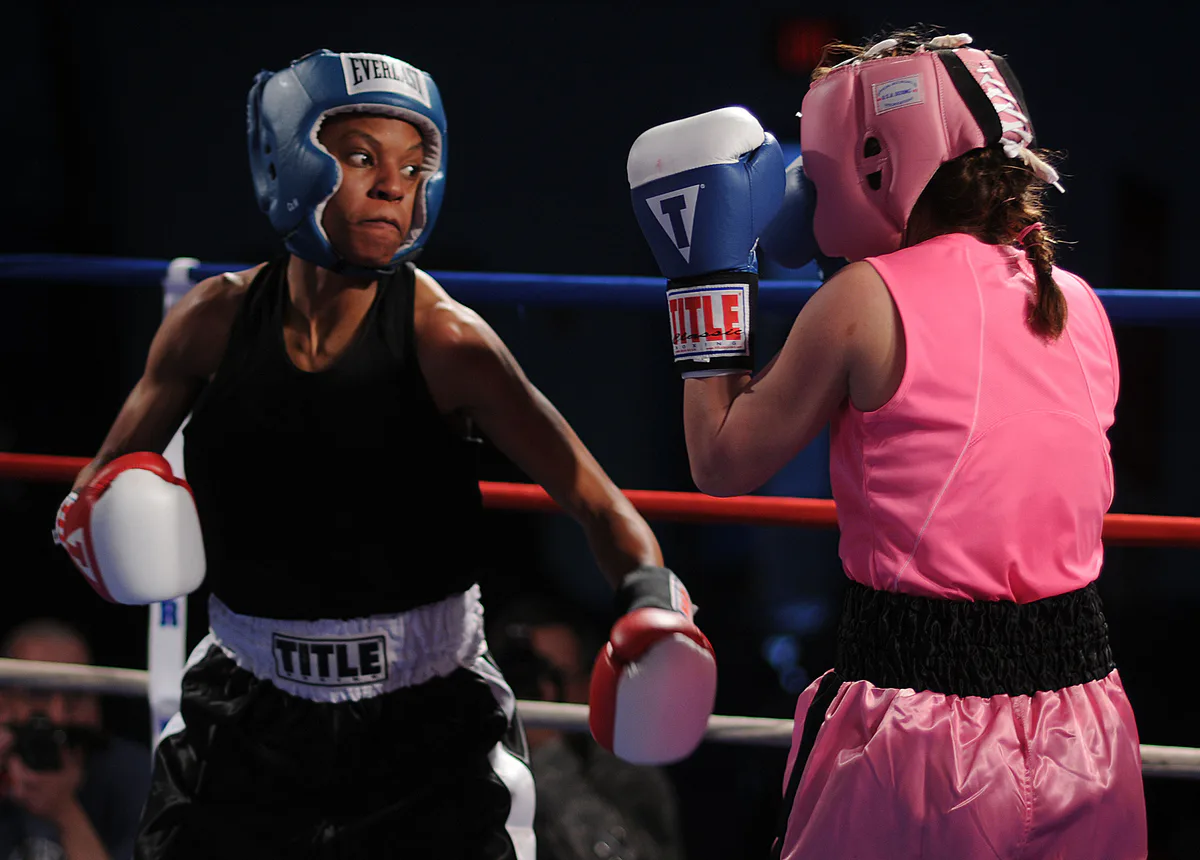
Boxing divides competitors by weight because size confers a decisive advantage. There are seventeen recognised professional divisions, from minimumweight at 105 pounds to heavyweight, which has no upper limit.
The weigh-in
Fighters must make the divisional limit at an official weigh-in, generally held the day before the contest rather than on the day itself.
That interval is the source of most of what follows. It gives roughly thirty hours to rehydrate and eat, during which a fighter can regain a substantial amount of weight — commonly ten to twenty pounds, and more in the heavier divisions.
The consequence is that two fighters who weighed the same on Friday may differ considerably by Saturday night. The scale records eligibility, not the weight at which anyone fights.
Weight cutting
Because the advantage lies in being the larger fighter in a division, competitors reduce to the lowest limit they can reach. The final stage is dehydration — sweating out water through heat and restricted fluid intake — which removes weight quickly and temporarily.
It is also dangerous. Dehydration reduces the cerebrospinal fluid cushioning the brain, and there is a credible argument that a dehydrated fighter is more vulnerable to serious injury from a blow to the head. Kidney strain and cardiac events during cutting have caused deaths in combat sports.
Governing bodies have responded with same-day or second-day weight checks, rehydration limits capping how much may be regained, and penalties for missing weight — measures adopted unevenly across jurisdictions.
Missing weight and catchweights
A fighter who fails to make the limit is normally given a short period to try again. If they still fail, the bout may proceed by agreement, but the overweight fighter typically forfeits a portion of the purse and cannot win the title, which may be declared vacant or retained by the opponent alone.
A catchweight is a limit agreed between the two camps that does not correspond to a division, used to arrange a bout between fighters who normally compete at different weights. No title is usually at stake, since sanctioning bodies recognise their own divisions.
Discussion