
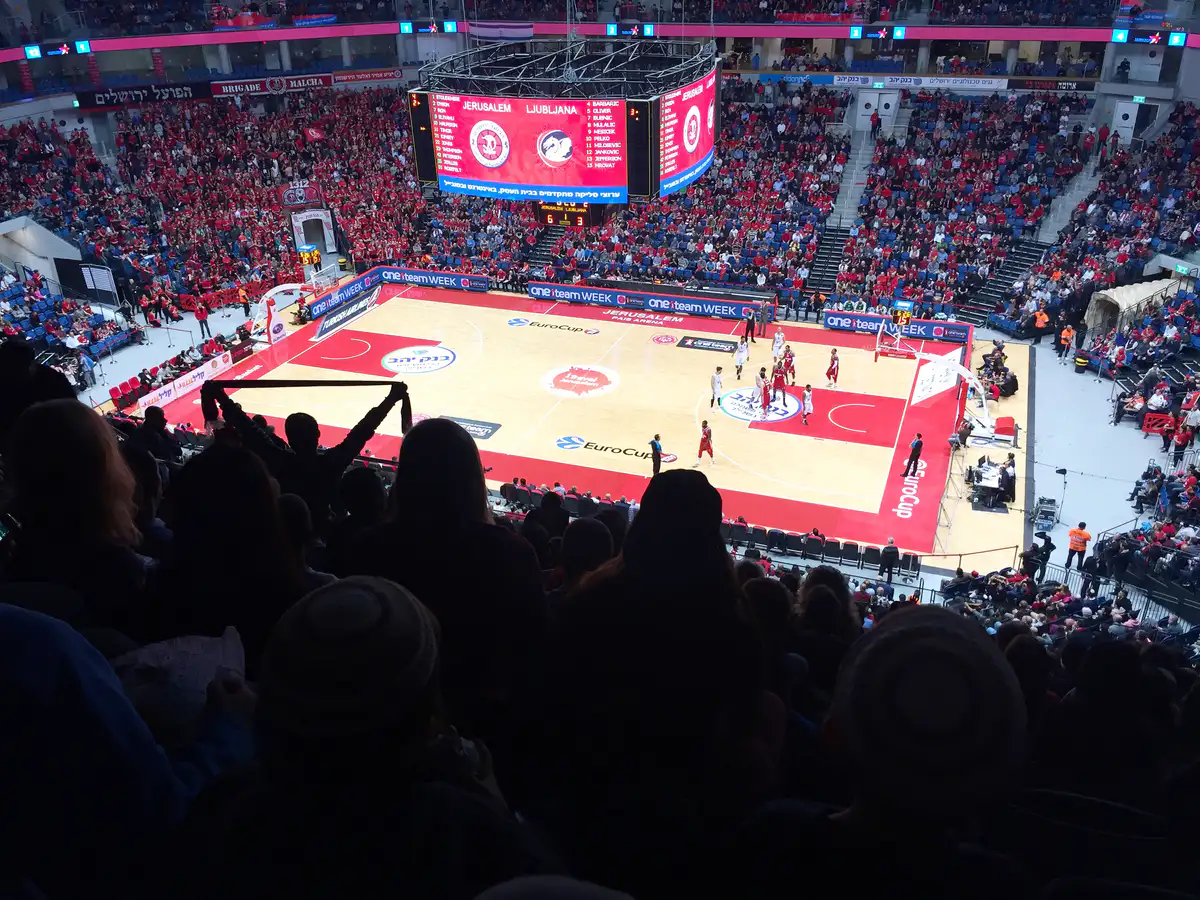
The draft is the mechanism by which new players enter the league. Teams select in turn, and a drafted player may negotiate only with the team that selected them.
Its purpose is competitive balance: the weakest teams choose first, so talent flows toward those who need it rather than to whoever can pay most.
The lottery
If the worst record guaranteed the first pick, a team out of contention would have a clear reason to lose as many games as possible. This is tanking, and it has been a persistent problem.
The response is a weighted lottery. Teams that missed the play-offs receive lottery combinations in proportion to how poor their record was, and the top picks are drawn. The worst teams have the best odds without any guarantee.
The odds were flattened in 2019 so that the three worst records share identical chances at the top pick, specifically to reduce the value of finishing last rather than merely badly. A team with the worst record can now fall several places, which is the intended deterrent.
Rookie contracts
First-round picks sign contracts on a fixed scale determined by draft position, running two guaranteed years with team options for two more.
Because the scale is set in advance, a high pick who becomes an excellent player is paid far below market value for several years. That surplus is the real prize in the draft, and it is why picks themselves are traded as assets.
Picks as currency
Future draft picks are traded freely, sometimes years ahead, and often with protections — a pick conveys only if it falls outside a specified range, otherwise rolling to a later year.
A rule limits how many consecutive future first-round picks a team may trade away, preventing a team from mortgaging its entire future for immediate improvement.
Eligibility
Players must be at least nineteen and, if American, at least a year removed from high school. This produced the one-and-done pattern, in which prospects spend a single college season before entering the draft — and, more recently, alternatives in which players are paid to develop in professional programmes rather than play unpaid college basketball, an option that changed considerably once college athletes became able to earn from their name and likeness.


Discussion