
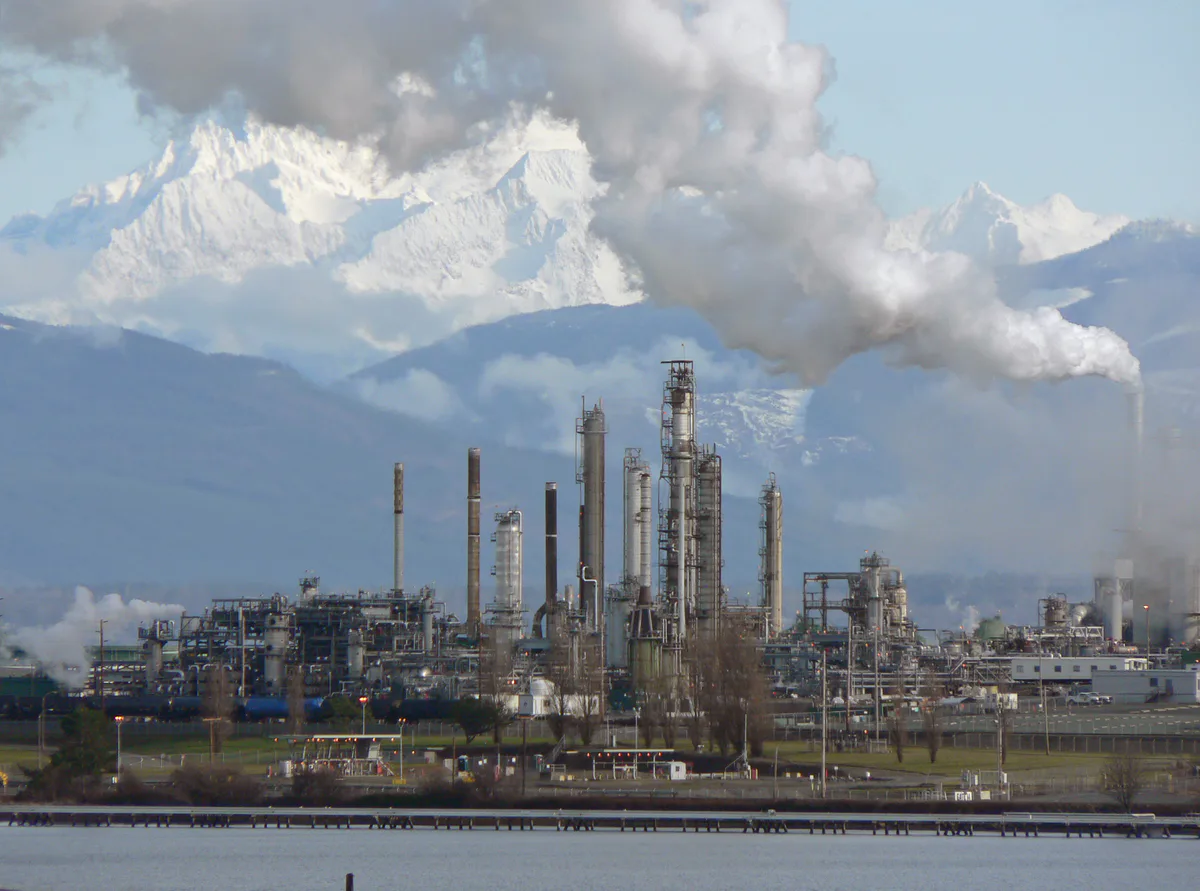
The Organization of the Petroleum Exporting Countries was founded in Baghdad in 1960 by five states seeking to coordinate policy against the international oil companies that then set prices. Its membership has changed repeatedly since, and it now includes countries across the Middle East, Africa and South America.
The mechanism
OPEC influences prices by influencing supply. Members agree production targets, expressed in barrels per day, and the total determines how much oil the group puts on the market. Reduce it against steady demand and prices tend to rise; increase it and they tend to fall.
This works only to the extent that members produce less than they could. A quota above what a country is capable of pumping constrains nothing. Several members have at times been unable to meet their targets because of underinvestment, sanctions or conflict, so an announced cut can be smaller in practice than on paper.
Spare capacity
The group's real influence rests on spare capacity: production that can be brought on quickly and sustained. It is concentrated in a small number of members, principally Saudi Arabia, and it is what allows the group to respond to a supply disruption elsewhere.
Spare capacity is also the source of internal tension. The member holding it bears most of the cost of a cut, since it gives up the most production, while the benefit of higher prices is shared by all — including producers outside the group who simply sell more at the improved price.
OPEC+
From 2016 the group began coordinating with non-member producers, Russia foremost among them, in an arrangement known as OPEC+. The reason was the growth of United States shale production, which had made OPEC's share of world supply too small for it to move prices alone.
The wider grouping has more influence over supply and is correspondingly harder to hold together, since it spans states with divergent economic needs, budget requirements and foreign policies.
The enforcement problem
Every cartel faces the same difficulty. Once a cut has raised the price, each member does best by quietly producing above quota and selling the extra at the higher price. If enough do so, supply rises and the price falls back, leaving everyone worse off than if the agreement had held.
OPEC has no enforcement power beyond persuasion and publicity. Compliance is monitored and reported, and members exceeding quotas are expected to compensate later, but there is no penalty that can be imposed on a sovereign state. This is why announcements are often followed by scepticism about whether the cut will materialise, and why the market reacts as much to compliance data as to the decisions themselves.


Discussion