
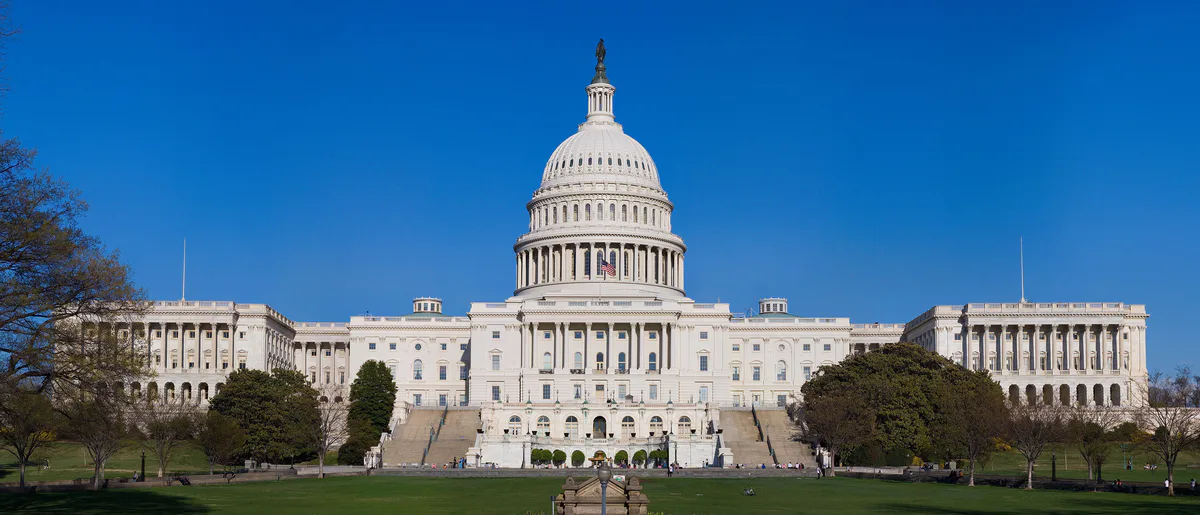
The president of the United States is chosen by an institution called the Electoral College, which is not a college and never meets in one place. It is a body of electors appointed state by state, who cast the votes that formally decide the outcome.
How the votes are distributed
Each state receives a number of electors equal to its total congressional representation: two senators, plus a number of House members proportional to population. The District of Columbia receives three. The total is 538, and an absolute majority of 270 is required to win.
Because every state receives two electors regardless of size, small states carry more weight per resident than large ones. This is not incidental. It reproduces a compromise made when the constitution was drafted, under which the states as entities, and not only the population, are represented.
Winner-take-all
Almost every state awards all of its electors to whoever wins the popular vote within that state, however narrow the margin. Maine and Nebraska are the exceptions, allocating some electors by congressional district.
Two consequences follow. Votes beyond the winning margin in a state have no additional effect, so a very large majority in one state produces no more electors than a narrow one. And states whose outcome is not in doubt receive little campaigning, because effort there cannot change the result.
The contest is therefore concentrated in a small number of competitive states, and it is possible to win the presidency while losing the national popular vote — an outcome that has occurred several times, most recently in 2000 and 2016.
The timetable
- Primaries and caucuses through the first half of the election year, in which parties select their nominees.
- The general election on the Tuesday after the first Monday in November.
- State certification of results, followed by the electors meeting in their respective state capitals in December.
- A joint session of Congress in January at which the electoral votes are counted and the result declared.
- Inauguration on 20 January.
The counting session was long regarded as ceremonial. Following the disputed count of January 2021, the Electoral Count Reform Act of 2022 clarified that the vice-president's role in presiding is purely ministerial and raised the threshold for members of Congress to lodge objections.
Faithless electors
Electors are expected to vote for the candidate they were appointed to support. Historically a small number have not, and such votes have never altered an outcome. Many states now require electors to vote as pledged, and the Supreme Court held in 2020 that states may enforce those requirements — settling a question that had been open since the founding.


Discussion