
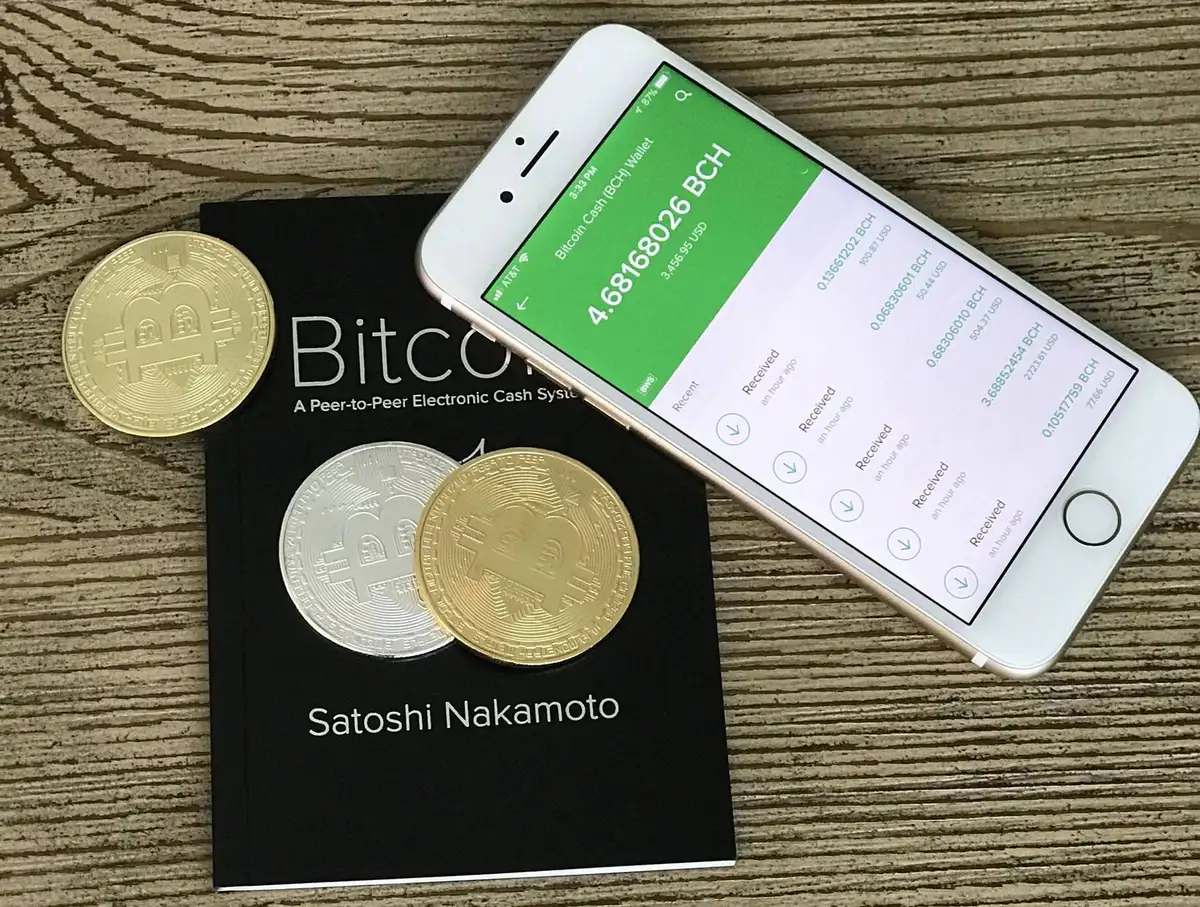
A cryptocurrency exists as an entry on a blockchain, controlled by whoever holds the private key that can authorise a transfer. Ownership is possession of that key, and nothing else.
Custodial and non-custodial
A custodial exchange holds the keys. When a customer buys, the exchange records a credit in its own ledger; the coins sit in wallets the exchange controls, commonly pooled across many customers. What the customer holds is a claim on the exchange.
A non-custodial wallet gives the keys to the user. Nobody else can move the funds, and nobody else can restore access if the key is lost — a trade of counterparty risk for personal responsibility that is absolute in both directions.
The phrase 'not your keys, not your coins' is often taken as ideology. It is a description of the legal position: in an insolvency, a customer with a claim on an exchange is a creditor, and creditors are paid according to the priority of their claim rather than in full.
How trades happen
Trading on a custodial exchange mostly does not touch the blockchain. Orders are matched internally and balances updated in the exchange's database, which is why trades settle instantly and cost little. Only deposits and withdrawals are actual blockchain transactions.
This has an important consequence: the price on an exchange is the price at which its own customers are trading with one another. Prices can and do diverge between venues, particularly where capital controls or banking access limit arbitrage.
Proof of reserves, and its limits
After several failures, exchanges began publishing proof of reserves — cryptographic evidence that they control wallets holding at least as much as customers are owed.
It is a genuine improvement and an incomplete one. Proving assets does not prove liabilities: an exchange can demonstrate that it holds a large sum without demonstrating that it owes less. It also says nothing about whether those assets were borrowed for the occasion. A full picture requires liabilities to be attested too, which fewer exchanges provide.
Where the risk actually sits
- Commingling. Customer assets held in the same wallets as the exchange's own are harder to identify and return if the business fails.
- Lending. Some venues have lent customer assets to generate yield, converting a custody arrangement into an unsecured loan the customer did not know they had made.
- Jurisdiction. Which court hears an insolvency, and what protections apply, is determined by where the entity is incorporated — often not where the customer lives.
Regulation in several jurisdictions now requires segregation of customer assets and restricts their use, which is the direct response to the failures of 2022. The protections vary considerably by country, and are not a property of the technology.


Discussion