
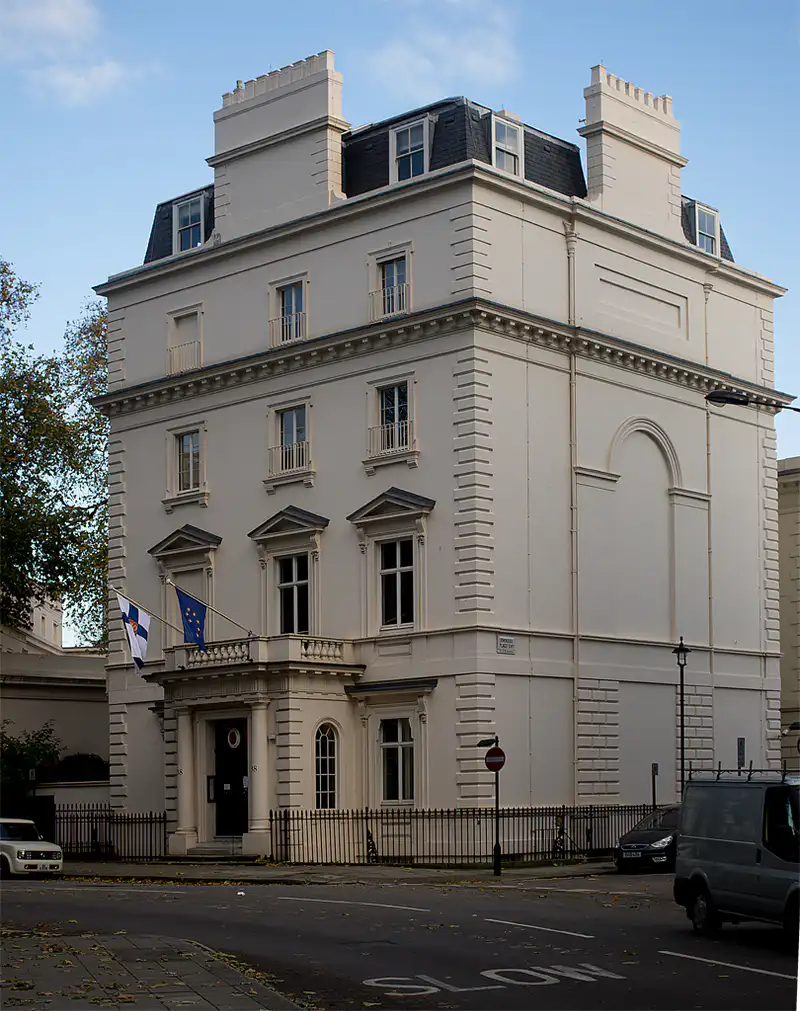
Diplomatic immunity is governed principally by the Vienna Convention on Diplomatic Relations of 1961, one of the most widely ratified treaties in existence. Its purpose is stated in its own preamble: not to benefit individuals, but to ensure the efficient performance of diplomatic missions.
The reason it exists
A diplomat represents a state in a country whose government may be hostile. Without protection, a host could obstruct a mission by arresting its staff on pretexts, searching its files, or intercepting its communications.
Immunity is therefore reciprocal by design. Every state is simultaneously a host and a sender, and each has an interest in the rule holding — which is the practical mechanism that sustains it more than any enforcement provision.
What is protected
- The person of a diplomatic agent, who may not be arrested or detained.
- Immunity from criminal jurisdiction, complete, and from civil jurisdiction with limited exceptions concerning private property, succession and professional activity outside official functions.
- The mission's premises, which are inviolable: host authorities may not enter without the head of mission's consent, even to respond to a fire.
- Archives, documents and official correspondence, and the diplomatic bag, which may not be opened or detained.
- Family members forming part of the household, with the same immunity.
Administrative and technical staff have narrower protection, and service staff narrower still — immunity for acts performed in the course of their duties rather than generally.
The common misconception about embassies
An embassy is not the sending state's territory. It remains part of the host country, and the host's law applies within it; what the Convention provides is inviolability, meaning the host's officials may not enter without consent.
The distinction matters for questions such as whether a child born in an embassy acquires the sending state's nationality — generally no — and for the legal basis of asylum granted in a mission, which rests on other grounds and is contested.
The limits
Immunity bars prosecution; it does not make conduct lawful. Three responses are available to a host state. It may request that the sending state waive immunity, which only the sending state can do. It may declare the individual persona non grata, requiring their departure, and it need give no reason. And the individual remains liable to prosecution at home.
Unpaid parking penalties and, occasionally, serious offences generate periodic controversy in capitals, and the pressure that resolves them is diplomatic rather than legal — which is precisely how the Convention intends the system to work.


Discussion